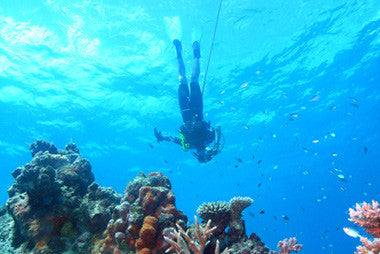
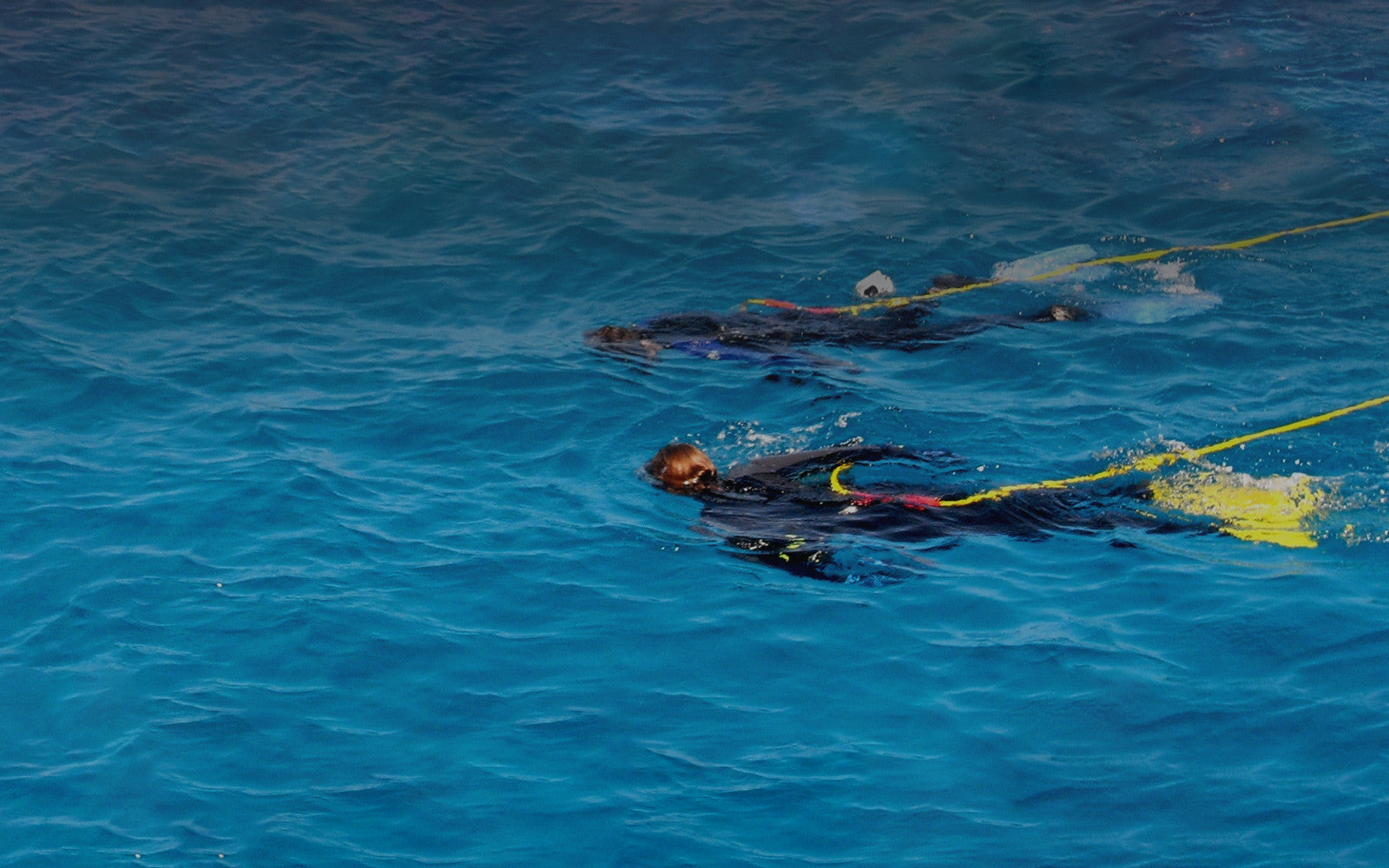
Compare Scuba and Hookah
Which model is the right choice for you?
Are you looking to buy scuba diving equipment? Have you considered The Air Line by J Sink's hookah diving system as an alternative to traditional scuba equipment? Let us share with you some of the benefits the Air Line has over traditional scuba diving gear.
- Dive without cumbersome, heavy scuba tanks and gear with The Air Line Hookah!
- Enjoy freedom of movement like snorkeling, but with essentially unlimited air when using The Air Line Tankless Diving System.
- Dive all day, or a whole weekend with your Air Line Hookah Direct Drive System without a rack of tanks to lug, store, and fill.
- Gas or electric powered Air Line Diving System models enable 2-4 divers to depths ranging up to 85 ft.
- Diving gear for up to four divers fits into a small, lightweight package that is easy to transport in a vehicle and store on limited boat deck space, with Air Line Diving equipment.
- All Air Line Hookah Diving Systems meet Compressed Gas Association Grade-E breathable air rating.

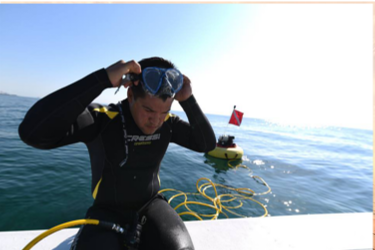
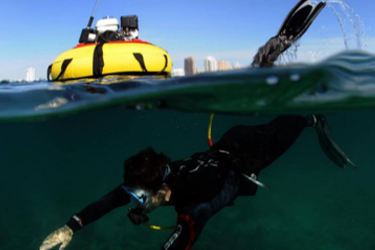
Compare Scuba and Hookah
Comparison is based upon three conservatively priced sets of Scuba dive equipment with three tanks each, against the Air Line's Model R360XL as a three diver package, which will run for three hours. It will, therefore, compare, fairly with scuba diver equipment based upon assumption that one scuba cylinder will provide one hour of down time.
Cost Comparison
| SCUBA | AIR LINE | |
|---|---|---|
| Initial cost: | $4,350^ | $3,445 |
| Run time per fill: | 1 hr. per tank | 3 hrs. per fueling |
| Cost per hr. per diver: | $6.00* | 28 cents |
| Operating cost for three divers x 3 hrs: | $54.00** | $1.55** |
^Conservative cost of 3 BCD's ($500 each), 3 scuba regulators ($500 each), and 9 80-cu.ft. scuba tanks ($150 each).
*Cost of scuba tank fill, not including transport to fill station.
**Based on $6.00 per tank fill times 3 divers times 3 hours (i.e., 1 tank per hour per diver). In contrast, $54.00 of gas @ $2.5 per gallon, would provide 34 total hours underwater on an Air Line system.
Size/Weight Comparison
| SCUBA | AIR LINE | |
|---|---|---|
| Total weight: | 420 lbs. | 88 lbs. |
| Organized deck space: | 20 sq. ft. | 5 sq. ft. |
Here we compare the space and weight of traditional scuba diver equipment to The Air Line by J Sink's hookah dive equipment. The above compares the same equipment as it would appear neatly organized on deck, before being strewn about in preparation to wearing. Does not include personal gear or weights.
Note: Hookah diving gear generally requires less weight as buoyancy compensation is, technically, not an issue.
Follow

Sign up to receive emails from Air Line by J Sink
© 2026
The Air Link by J Sink. All rights reserved.